브라우저의 페이지 번역을 켜면 이 화면에서 한국어로 읽을 수 있어요.
한국어 번역 안내
사용 중인 브라우저에서 아래 메뉴를 선택해 주세요.
- PC · Chrome / Edge
- 페이지의 빈 곳을 마우스 오른쪽 버튼으로 클릭한 뒤 한국어로 번역을 선택하세요. 다른 언어가 나오면 번역 창에서 한국어로 바꾸세요.
- 안드로이드 · Chrome
- 주소창 옆 ⋮ → 번역을 누르세요. 한국어가 아니면 번역 창의 설정 → 다른 언어 → 한국어를 선택하세요.
- 아이폰·아이패드 · Safari
- 주소창의 페이지 메뉴(이전 버전은 aA)에서 한국어로 번역을 누르세요.
- 아이폰·아이패드 · Chrome
- ⋯ → 번역을 누르세요. 번역 창의 언어를 한국어로 선택하세요.
- Mac · Safari
- 주소창의 번역 아이콘을 누르고 한국어를 선택하세요.
번역 메뉴가 보이지 않나요? 카카오톡 등 앱 안에서 보고 있다면 현재 주소를 Chrome 또는 Safari에서 열어 주세요. 번역 메뉴와 지원 여부는 브라우저·기기 설정에 따라 달라질 수 있어요.
International Court of Justice Rules Myanmar Committed Genocide Against Rohingya in Historic Judgment
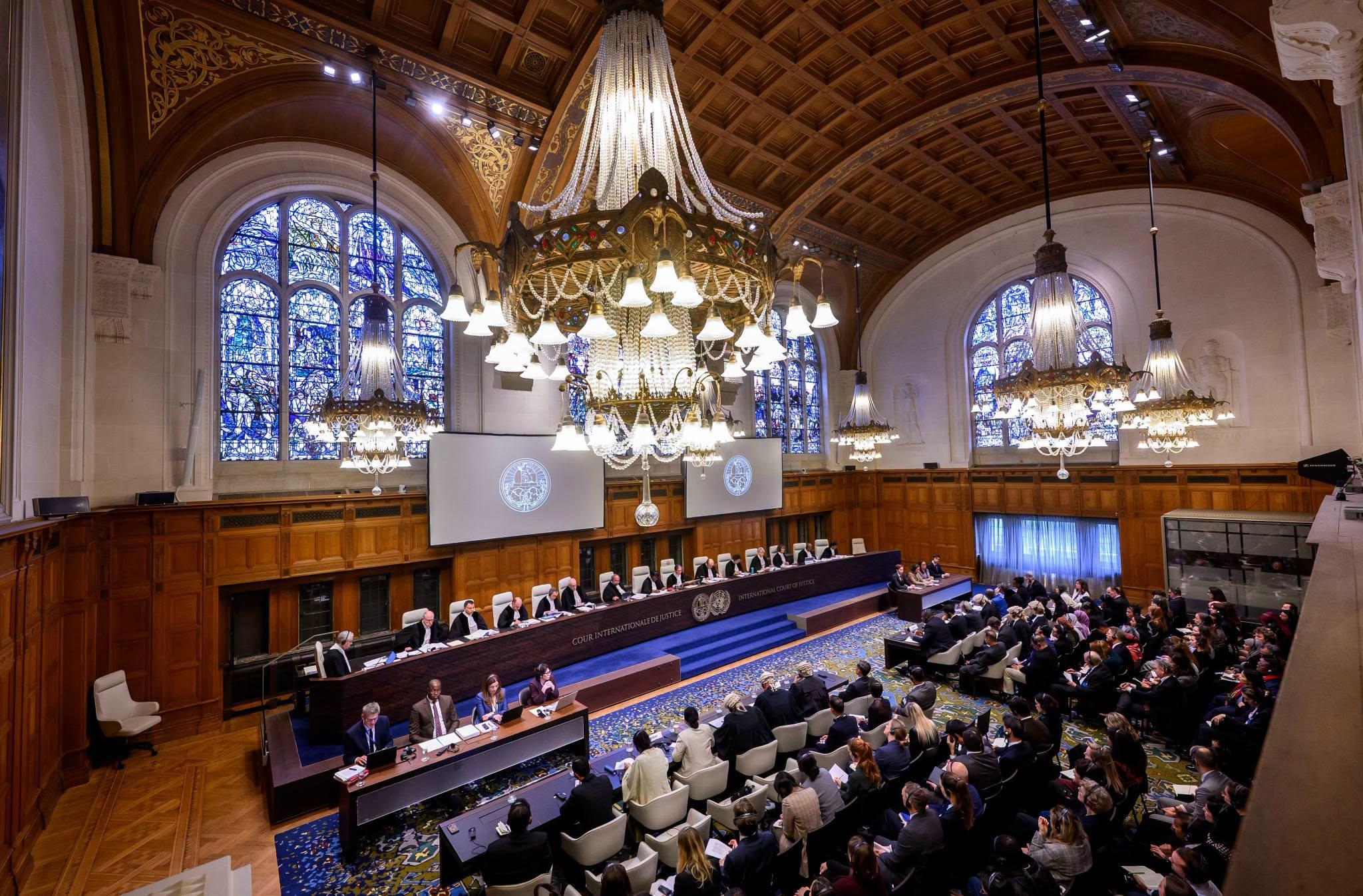
– The International Court of Justice ruled on November 19th that Myanmar committed genocide against the Rohingya in northern Rakhine State during 2017 military operations.
– The 9-6 decision marks the first time the ICJ has found a state responsible for committing genocide in its roughly 80-year history.
– The court found that security forces killed thousands of civilians (adopting a figure of at least 10,000 deaths), committed widespread sexual violence, and targeted children and those fleeing to Bangladesh.
– Myanmar was ordered to facilitate the safe, voluntary and dignified return of displaced Rohingya, provide compensation, investigate and prosecute perpetrators, and take other measures to prevent recurrence. Enforcement remains uncertain, however, as the court has no enforcement mechanism, and many countries do not officially recognize them including China and the US.
The Hague: The International Court of Justice ruled on Thursday that Myanmar committed genocide against the Rohingya minority, finding the state responsible for atrocities during a 2017 military campaign that drove hundreds of thousands of people across the border into Bangladesh. However, the court has no enforcement mechanism and it is unlikely Myanmar’s ruling junta follows the ruling.
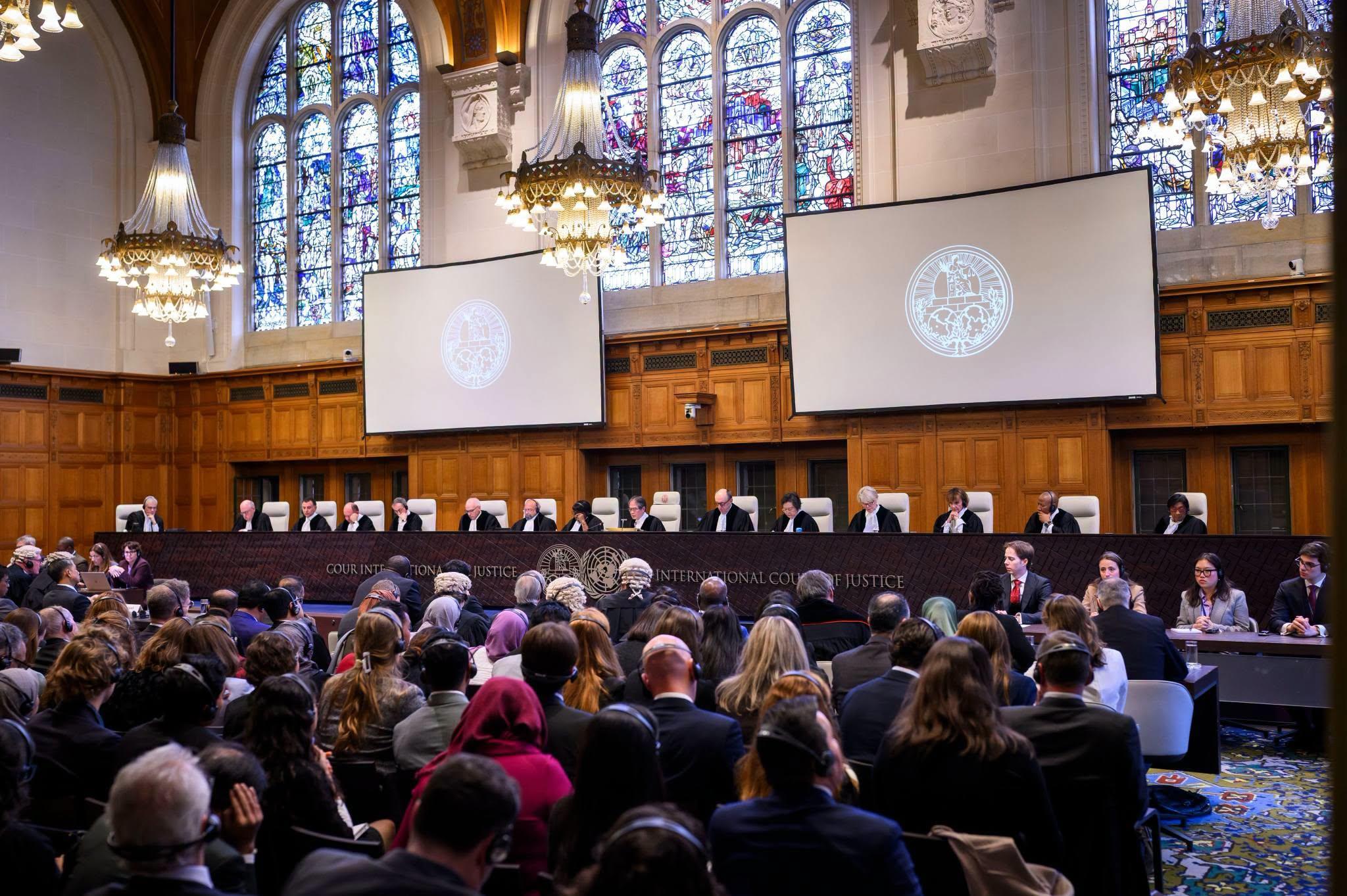
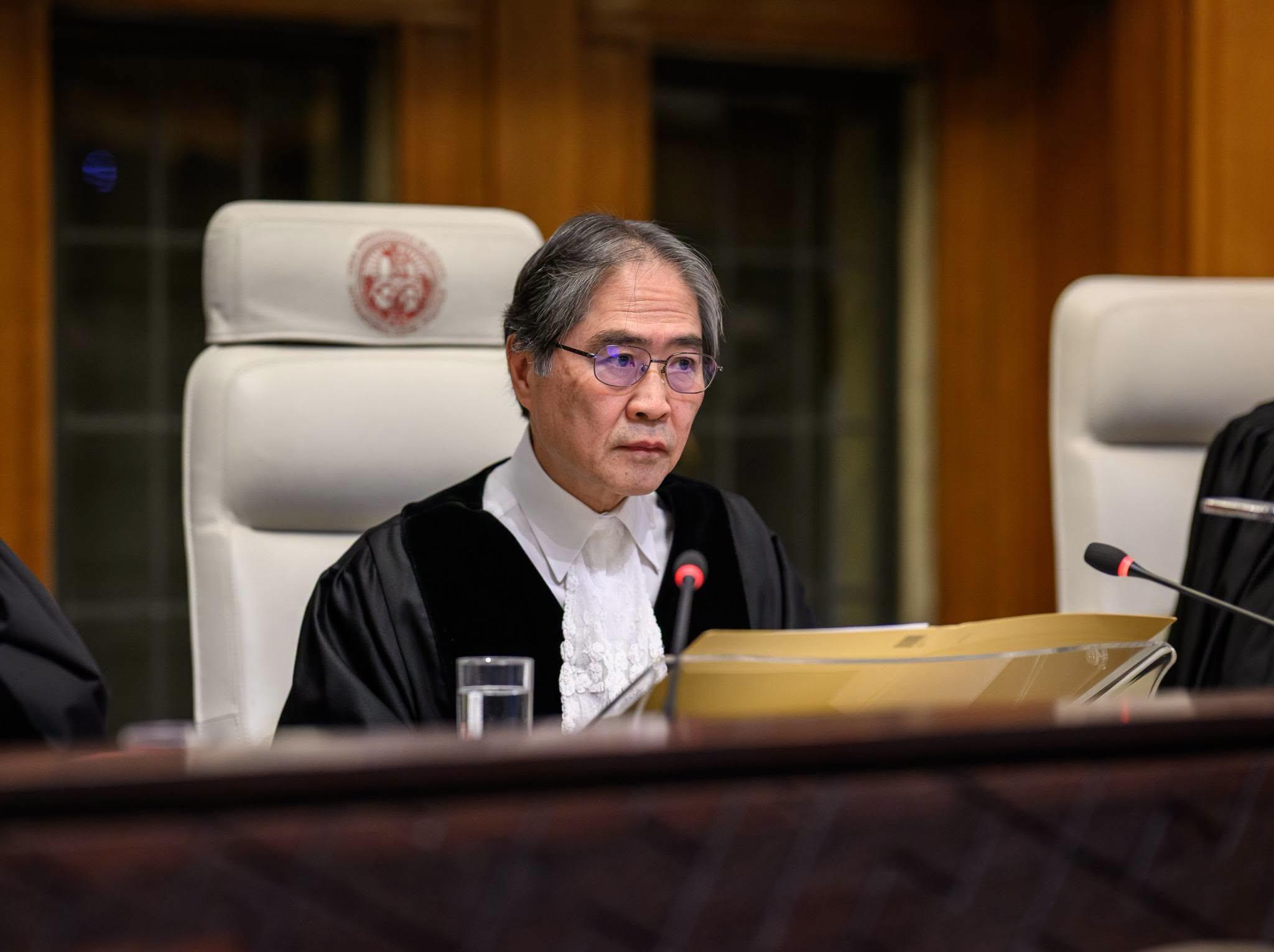
In a 9-6 decision, the 15-judge panel held that Myanmar violated the 1948 Genocide Convention. ICJ President Yuji Iwasawa stated that the Republic of the Union of Myanmar “has committed genocide against the Rohingya group in Northern Rakhine State.” The court found that Myanmar’s security forces killed thousands of Rohingya civilians, perpetrated widespread sexual violence, committed extreme violence against children, and attacked people as they fled in large numbers toward Bangladesh. It adopted a UN fact-finding estimate of at least 10,000 deaths and concluded that the only reasonable inference from the evidence was an intent to destroy a substantial part of the Rohingya population in northern Rakhine State.
The case was brought by The Gambia in November 2019, with support from the Organisation of Islamic Cooperation. More than 700,000 Rohingya fled the so-called clearance operations, joining hundreds of thousands already displaced; roughly 1.2 million now live in refugee camps in Bangladesh’s Cox’s Bazar district. Crowds there watched the verdict on large screens and cheered as the decision was announced.
The ruling is final and binding, with no right of appeal. The court ordered Myanmar to allow and facilitate the safe, voluntary and dignified return of displaced Rohingya to their places of residence and the reunification of families; to return or replace property; to provide compensation (with amounts to be determined later); to investigate persons reasonably suspected of genocidal acts and, where warranted, prosecute and punish them; and to provide guarantees of non-repetition.
Myanmar must also enact legislation giving full effect to the Genocide Convention and report to the court within two years on restitution measures and proposed compensation. The court rejected Myanmar’s argument that the operations were a legitimate response to insurgent attacks.
The judgment is the first in the ICJ’s history in which the court has found a state directly responsible for committing genocide. Previous cases involving Bosnia and Herzegovina and Serbia had addressed failure to prevent genocide or other obligations but had not resulted in a finding that a state itself committed the crime.
Current Myanmar President Min Aung Hlaing was commander-in-chief of the military during the 2017 operations. He led the 2021 coup and later assumed the presidency after elections widely described as restricted. The shadow National Unity Government, which includes remnants of the former elected administration, said it respects the court’s authority. The Gambia welcomed the outcome as a historic day for international justice. UN Secretary-General António Guterres called it a demonstration that impunity for such acts must not stand. The United Kingdom ordered the expulsion of Myanmar’s defence attaché and called for an urgent UN Security Council session.
This being said, The ICJ has no independent enforcement mechanism. Compliance depends on Myanmar’s willingness and on action by the Security Council or other states. China, Russia, and the US do not officially recognize the court so a security council resolution is extremely unlikely. That being said, despite the judgment likely to not be enforced or implemented, Rohingya representatives and rights groups described the decision as long-awaited international recognition of the suffering inflicted on the community, while noting that practical implementation of returns and reparations will require significant further steps.
For the original version of this article, please visit The TPN National News.
Related Stories:
Thai Criminal Court Gives Sentences in Collapsed…

Main Suspects in Killings of Young Russian Siblings…
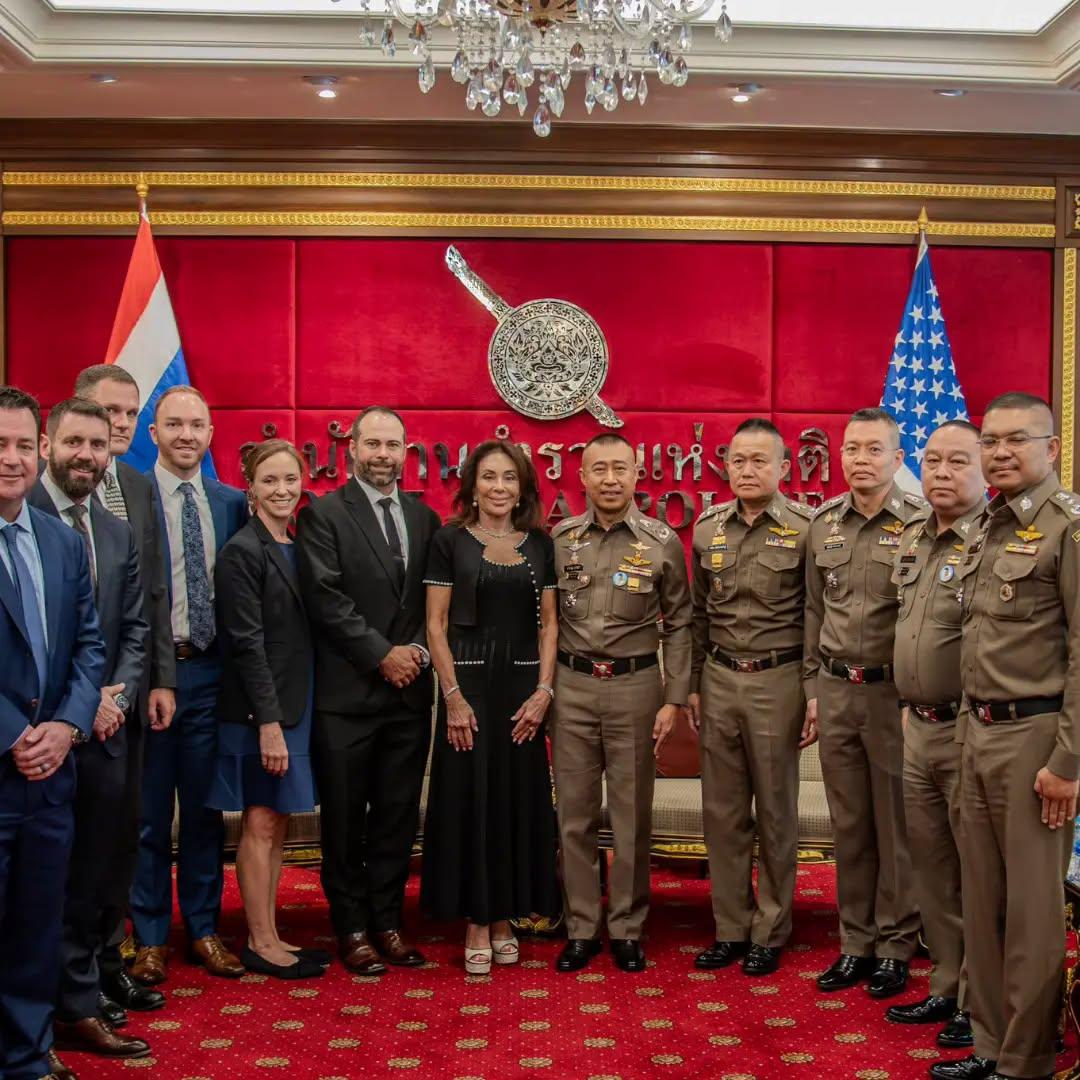
US Attorney Jeanine Pirro Meets Thailand’s Police…

Three Students Injured as Bombs Detonate Near Satun…