브라우저의 페이지 번역을 켜면 이 화면에서 한국어로 읽을 수 있어요.
한국어 번역 안내
사용 중인 브라우저에서 아래 메뉴를 선택해 주세요.
- PC · Chrome / Edge
- 페이지의 빈 곳을 마우스 오른쪽 버튼으로 클릭한 뒤 한국어로 번역을 선택하세요. 다른 언어가 나오면 번역 창에서 한국어로 바꾸세요.
- 안드로이드 · Chrome
- 주소창 옆 ⋮ → 번역을 누르세요. 한국어가 아니면 번역 창의 설정 → 다른 언어 → 한국어를 선택하세요.
- 아이폰·아이패드 · Safari
- 주소창의 페이지 메뉴(이전 버전은 aA)에서 한국어로 번역을 누르세요.
- 아이폰·아이패드 · Chrome
- ⋯ → 번역을 누르세요. 번역 창의 언어를 한국어로 선택하세요.
- Mac · Safari
- 주소창의 번역 아이콘을 누르고 한국어를 선택하세요.
번역 메뉴가 보이지 않나요? 카카오톡 등 앱 안에서 보고 있다면 현재 주소를 Chrome 또는 Safari에서 열어 주세요. 번역 메뉴와 지원 여부는 브라우저·기기 설정에 따라 달라질 수 있어요.
Thai PM Anutin and Chinese President Xi Agree on River Pollution Cooperation, 500,000-Tonne Rice Trade and Rail Links
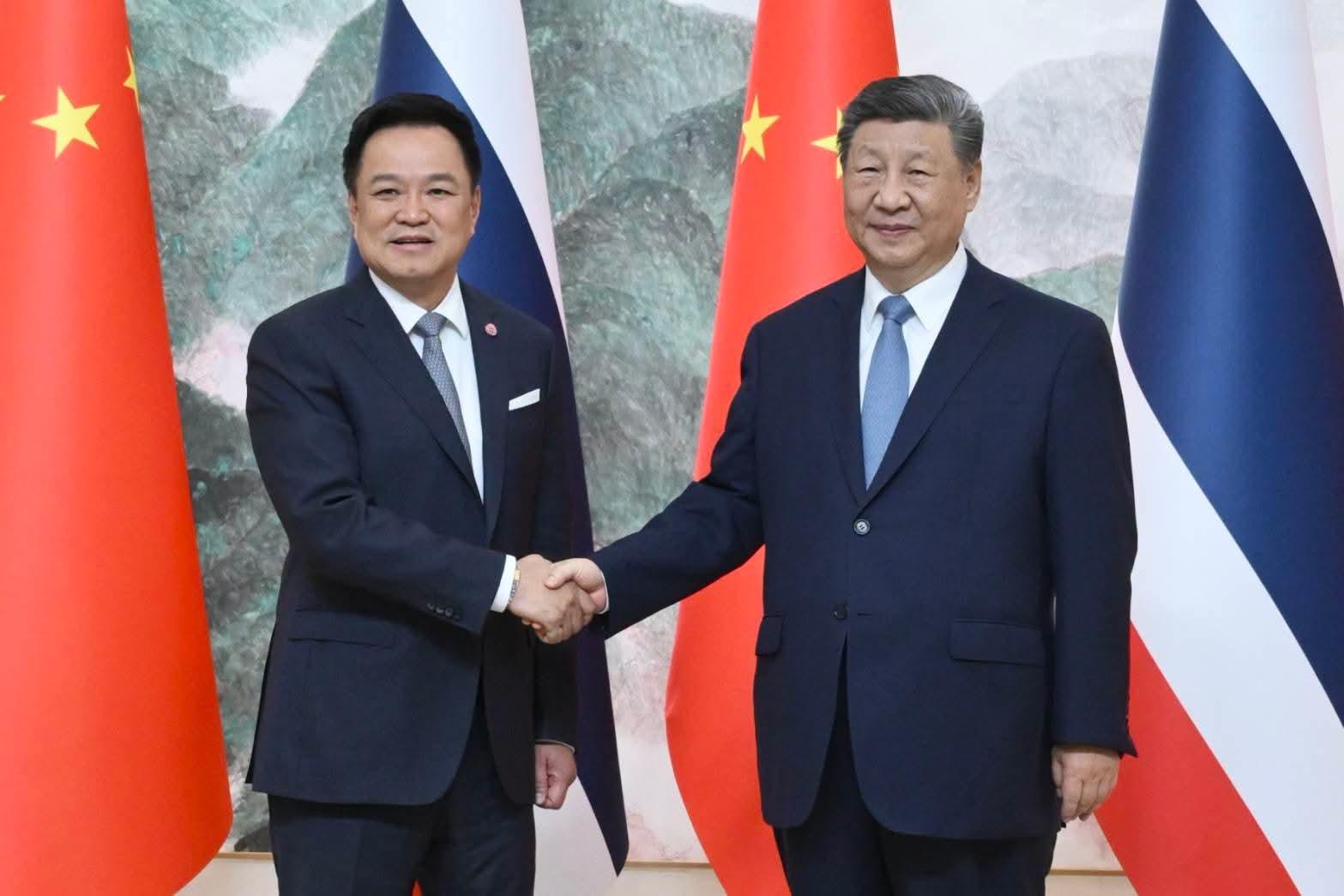
– Prime Minister Anutin Charnvirakul held full bilateral talks with Chinese President Xi Jinping on the 20th of November following the 33rd APEC Economic Leaders’ Meeting in Shenzhen.
– Anutin raised cross-border pollution in the Sai, Kok, Ruak and Mekong rivers; Xi said China does not support environmentally damaging activities and is ready to provide technical support for monitoring and cleanup.
– The Thai side proposed discussing the issue at the Mekong–Lancang Cooperation Leaders’ Meeting in Guilin in December.
– The two countries agreed to facilitate trade in 500,000 metric tonnes of Thai rice, expand markets for Thai products via geographical indications and online platforms, and encourage Chinese investment in digital technology, clean energy, space technology and electric vehicles.
– They also agreed to accelerate rail links from China through Laos and Thailand toward Malaysia and Singapore, and to increase cooperation against online scam networks while prioritising tourist safety.
Shenzhen-Thai Government spokesperson Ekkapob Pianpises said the meeting, held with full delegations, was to strengthen the comprehensive strategic cooperative partnership and build on Anutin’s recent talks with Chinese Premier Li Qiang during the latter’s visit to Thailand the previous week. Anutin stressed the impact of river pollution on the environment and local communities’ quality of life. Xi responded that China was prepared to work with Thailand on toxic contamination through more systematic water-quality checks, closer monitoring and corrective measures.
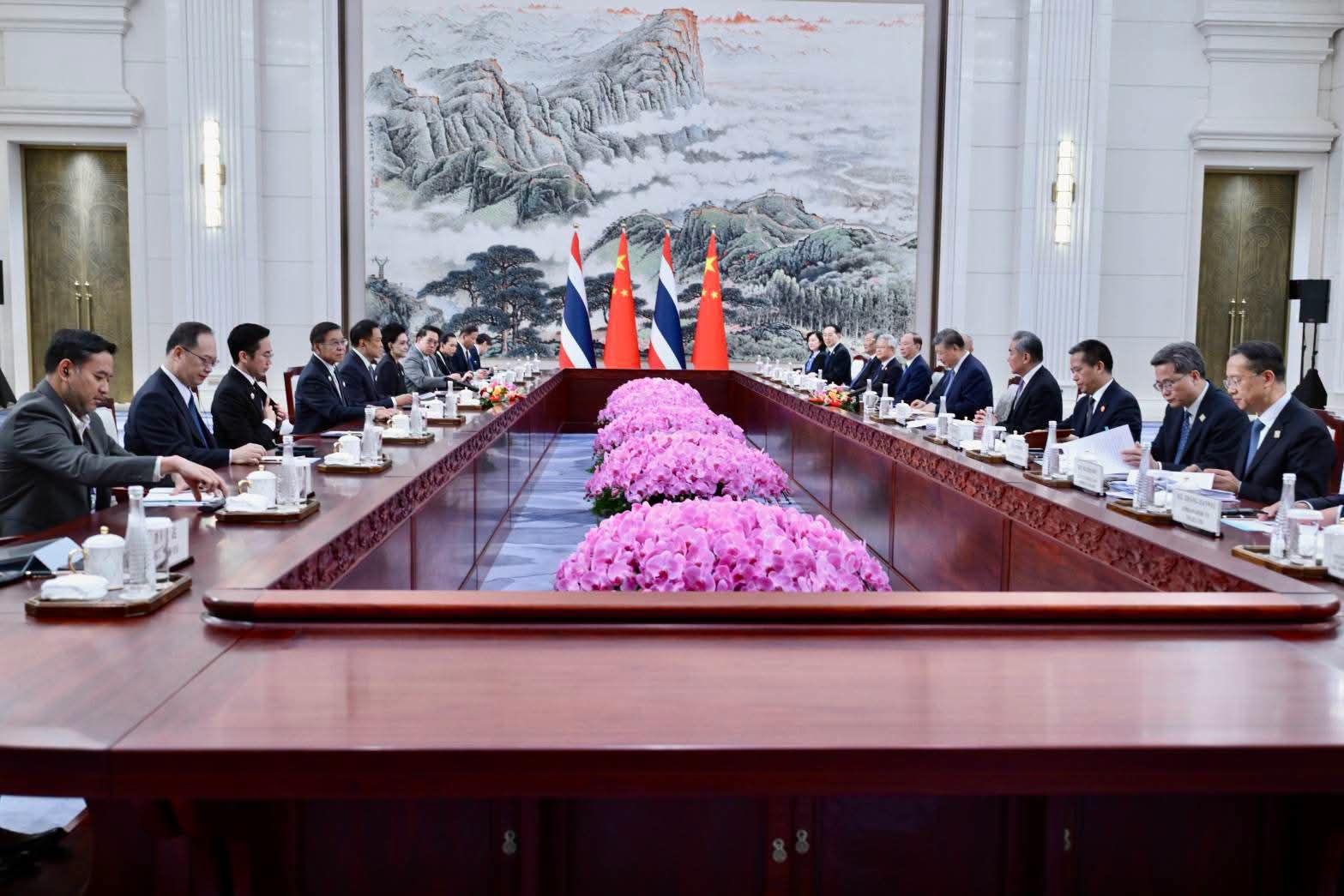
On the economic side, the leaders focused on three areas: high-quality Chinese investment under a “Co-create” model in advanced industries; more balanced trade, including the 500,000-tonne rice commitment; and faster development of regional railways, specifically a second bridge between Nong Khai and Vientiane and the Chiang Khong–Nateuy–Mohan route. These steps come as Thailand continues broader efforts to expand agricultural exports and attract foreign investment in technology and clean energy sectors.
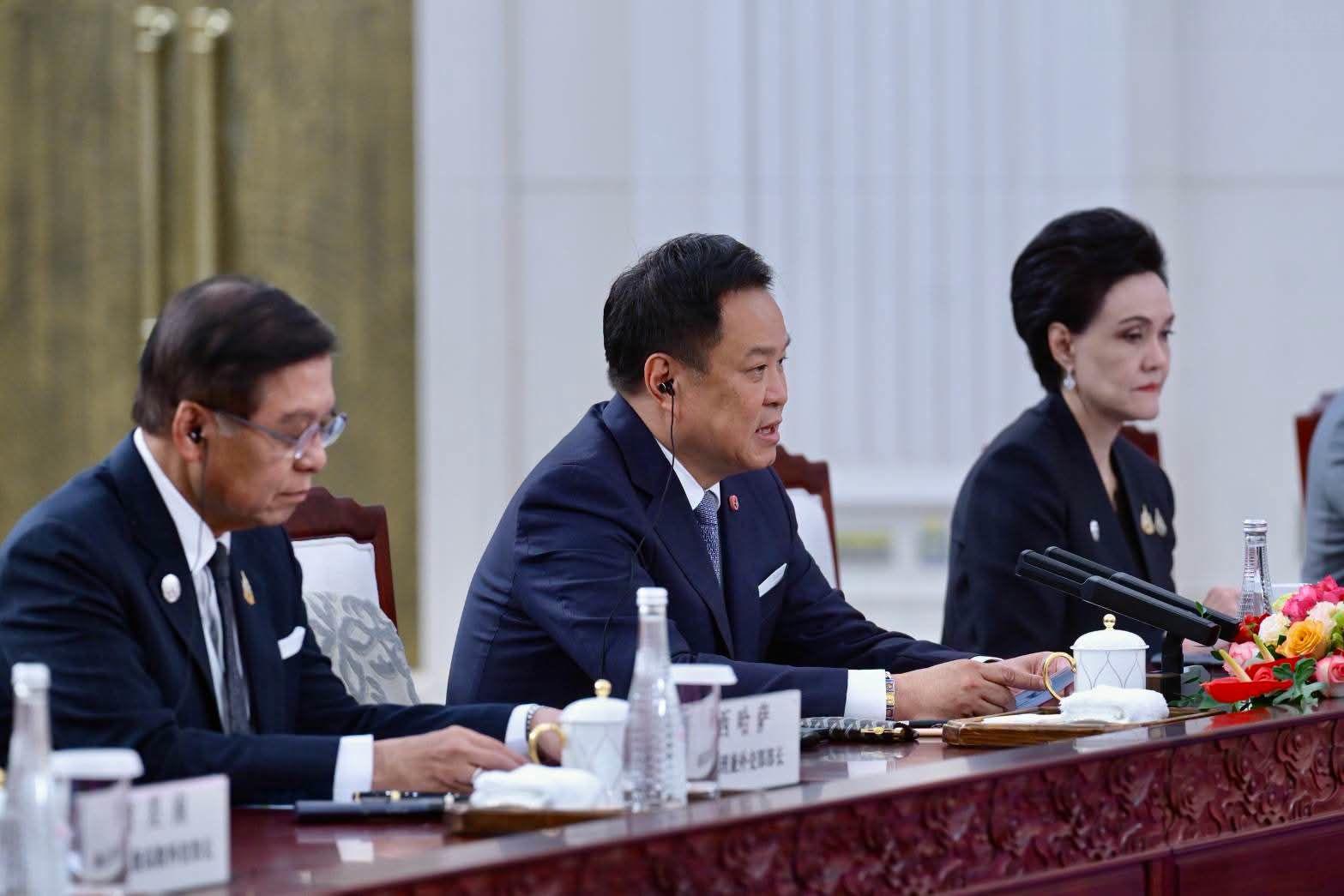
Security discussions centred on joint action against transnational crime, particularly online scam operations that have affected the region. Thai officials underlined that tourist safety for visitors of all nationalities remains a priority and that Thailand is ready to share accurate information to maintain confidence among Chinese travellers. Anutin also backed China’s constructive role in regional stability consistent with international law and ASEAN centrality, expressed support for peace efforts in Myanmar, reaffirmed Thailand’s preference for peaceful dialogue with Cambodia, and touched on cooperation on safe artificial intelligence, biodiversity conservation and other multilateral issues.
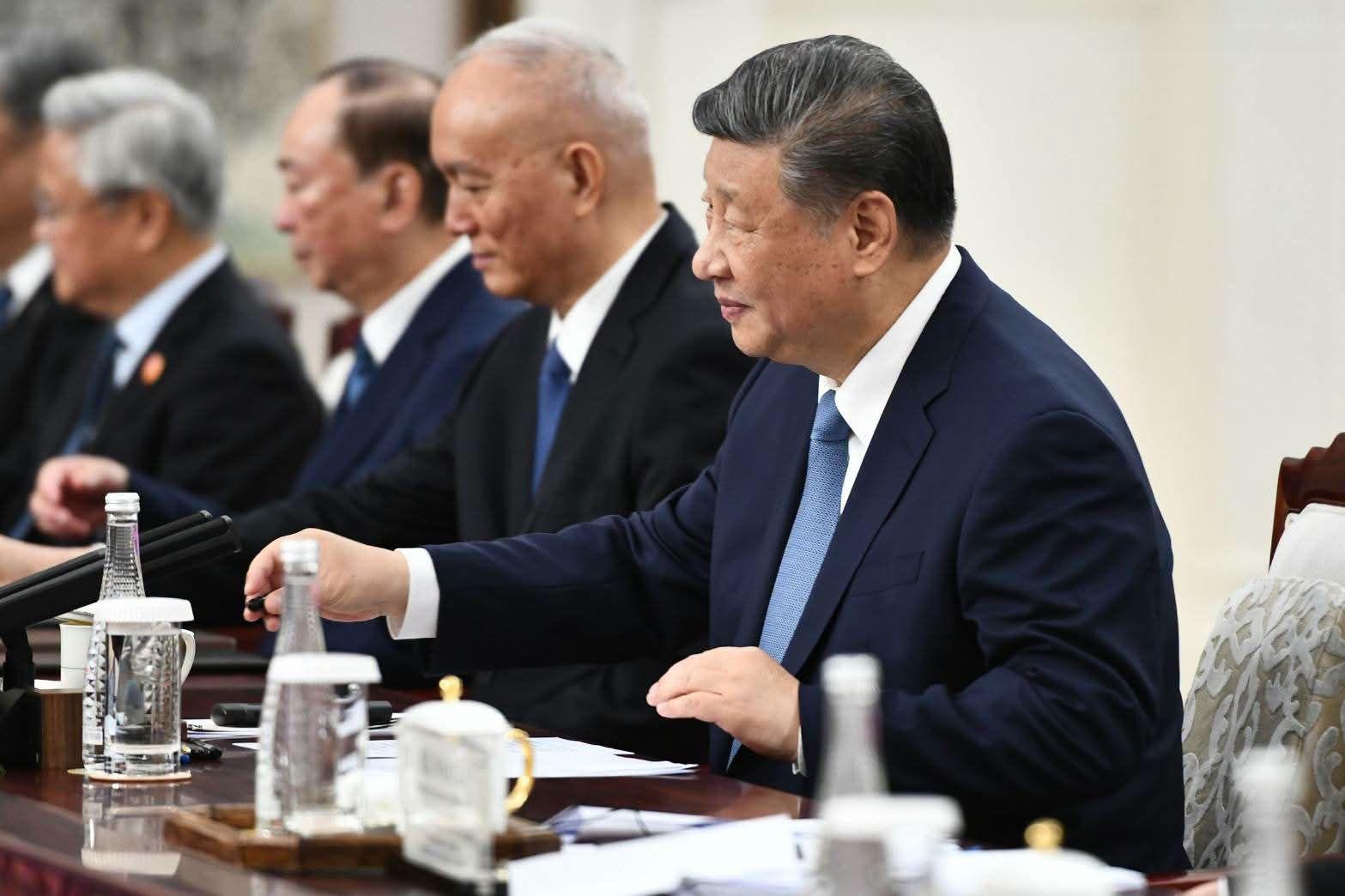
Ekkapob described the talks as showing close Thailand–China ties and the government’s goal of turning agreements into practical results that address everyday concerns such as water quality while creating economic opportunities. No detailed timelines or binding targets were announced immediately after the meeting. The discussions took place on the sidelines of the APEC summit hosted by China in Shenzhen.
Related Stories:
Chinese Premier Li Qiang to Make Official Visit to…
Police Raid Four Bangkok Luxury Estates in Eighth…
US Attorney Jeanine Pirro Meets Thailand’s Police…

Police Raid Luxury Pattaya House Used as Chinese…