브라우저의 페이지 번역을 켜면 이 화면에서 한국어로 읽을 수 있어요.
한국어 번역 안내
사용 중인 브라우저에서 아래 메뉴를 선택해 주세요.
- PC · Chrome / Edge
- 페이지의 빈 곳을 마우스 오른쪽 버튼으로 클릭한 뒤 한국어로 번역을 선택하세요. 다른 언어가 나오면 번역 창에서 한국어로 바꾸세요.
- 안드로이드 · Chrome
- 주소창 옆 ⋮ → 번역을 누르세요. 한국어가 아니면 번역 창의 설정 → 다른 언어 → 한국어를 선택하세요.
- 아이폰·아이패드 · Safari
- 주소창의 페이지 메뉴(이전 버전은 aA)에서 한국어로 번역을 누르세요.
- 아이폰·아이패드 · Chrome
- ⋯ → 번역을 누르세요. 번역 창의 언어를 한국어로 선택하세요.
- Mac · Safari
- 주소창의 번역 아이콘을 누르고 한국어를 선택하세요.
번역 메뉴가 보이지 않나요? 카카오톡 등 앱 안에서 보고 있다면 현재 주소를 Chrome 또는 Safari에서 열어 주세요. 번역 메뉴와 지원 여부는 브라우저·기기 설정에 따라 달라질 수 있어요.
Thailand Eyes Up to 4 Billion Baht HIMARS Rocket System Purchase From US
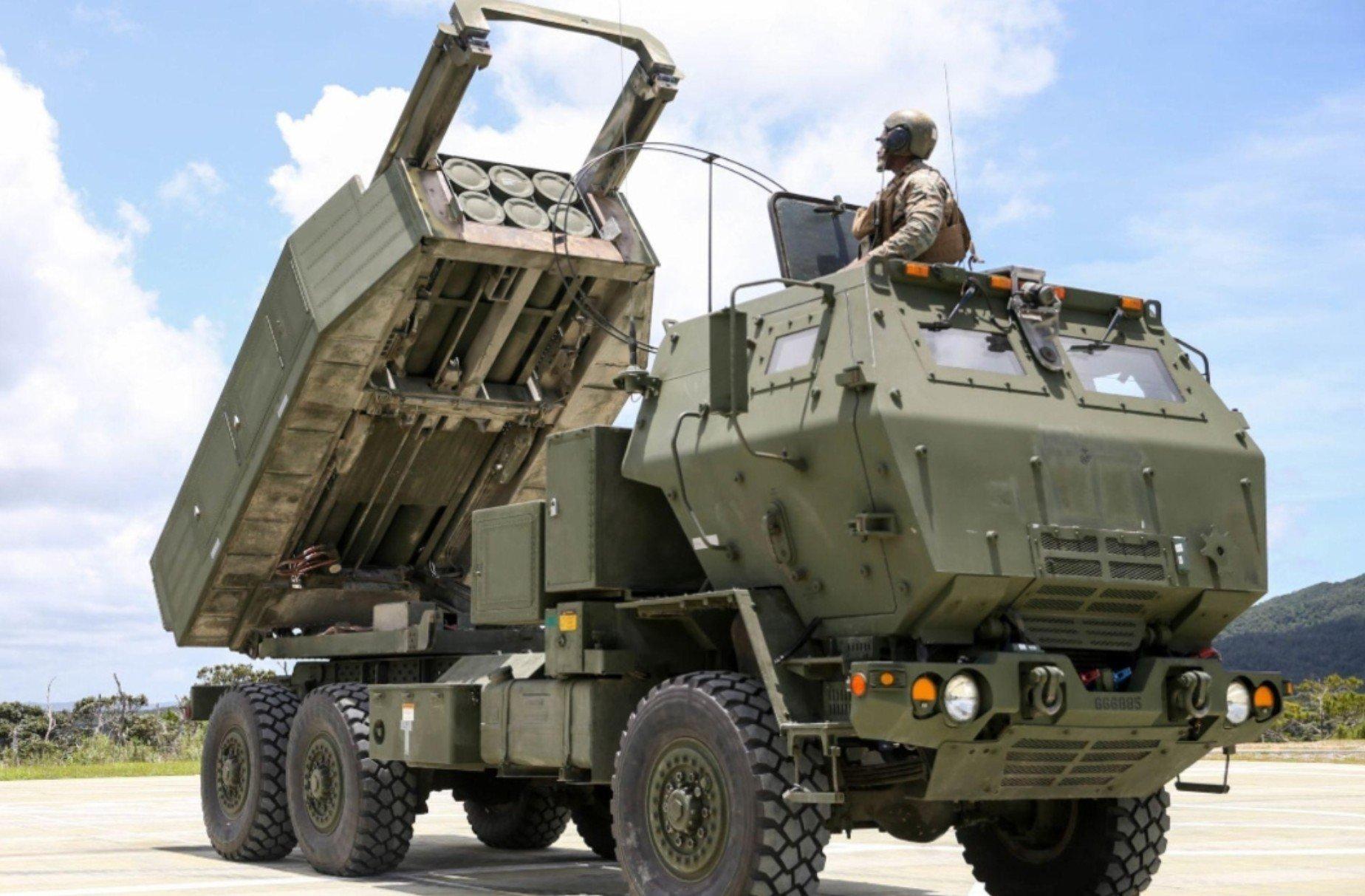
Bangkok, November 20th, 2026 – Thailand is planning to acquire the US-made High Mobility Artillery Rocket System (HIMARS) in a deal valued at up to US$123 million (approximately 4–4.2 billion baht), according to a White House fact sheet released on the 18th of November.
The proposed purchase, announced alongside broader US-ASEAN trade and investment agreements following the ASEAN Summit in Manila, would give the Royal Thai Army a significant upgrade in long-range precision rocket artillery and mark the first such acquisition by a mainland Southeast Asian country.
Manufactured by Lockheed Martin, the M142 HIMARS is a wheeled, truck-mounted launcher based on a standard US Army five-ton Family of Medium Tactical Vehicles chassis. It carries a single interchangeable pod that can hold six Guided Multiple Launch Rocket System (GMLRS) rockets or one longer-range missile such as the Army Tactical Missile System (ATACMS). A three-person crew (commander, driver and gunner) operates the system, which can be ready to fire in under a minute and is air-transportable by C-130 aircraft.
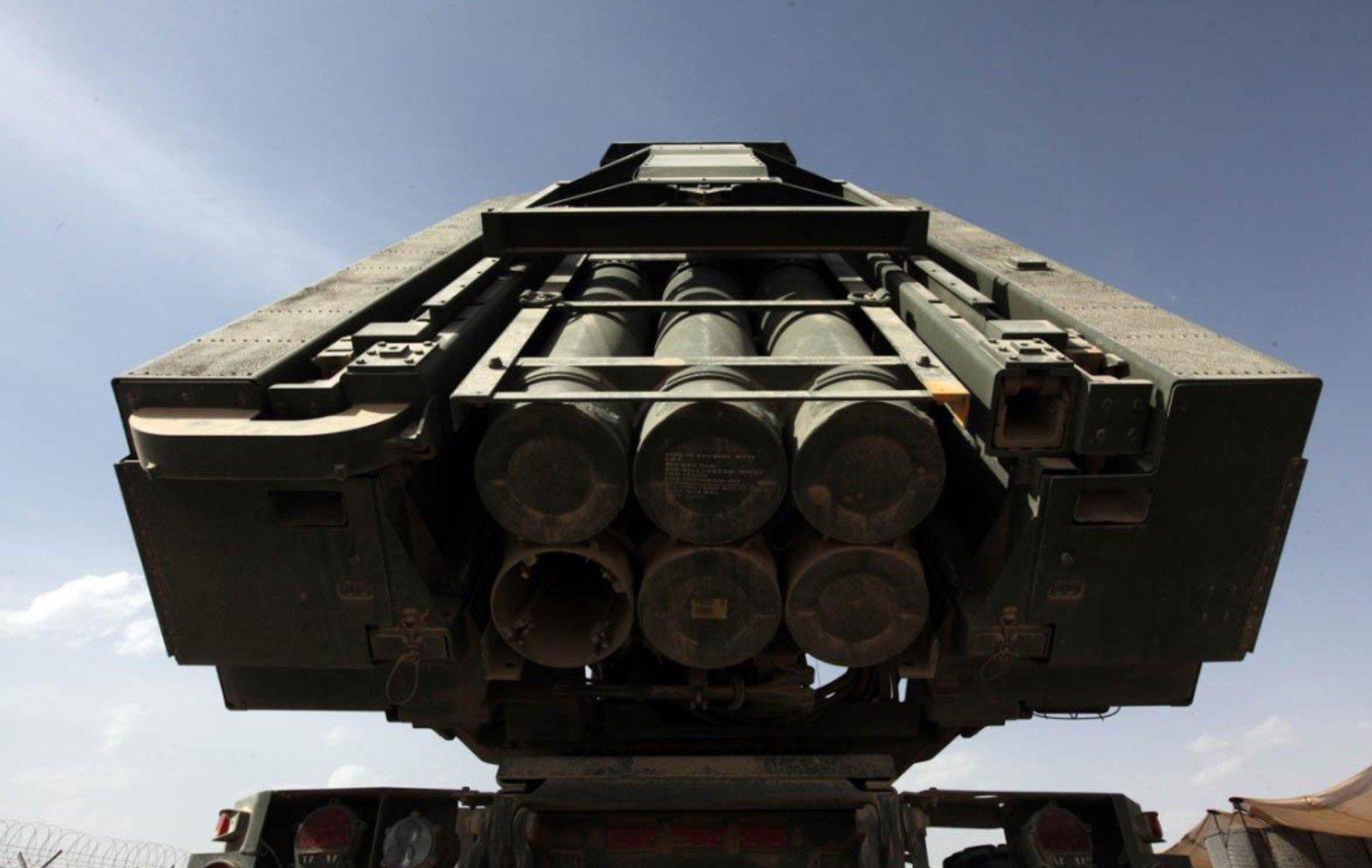
HIMARS combines the destructive reach of traditional multiple-launch rocket systems with modern precision guidance and high mobility:
– Range and payload: Standard GMLRS rockets reach approximately 70–92 km with GPS/INS guidance and a circular error probable (CEP) typically under 10 metres (often cited around 5–10 m in clear conditions). The newer Extended-Range GMLRS (ER GMLRS) extends this to about 150 km. ATACMS variants reach up to 300 km, while the next-generation Precision Strike Missile (PrSM) exceeds 400–500 km. A single launcher can engage multiple targets in one mission by programming individual rockets.
– Precision: GPS-aided inertial guidance allows pinpoint strikes on ammunition depots, command posts, bridges and air-defence systems with relatively low collateral damage compared with unguided rockets.
– Mobility and survivability: Mounted on a 6×6 wheeled chassis, HIMARS travels at road speeds of around 85–94 km/h with an operational range of roughly 480 km. Its signature “shoot-and-scoot” tactic lets crews fire and displace within minutes, reducing vulnerability to counter-battery fire and drones. The lighter design (combat weight around 16 tonnes) enables rapid road movement and strategic airlift.
These characteristics make HIMARS far more flexible and accurate than older unguided multiple-rocket systems still common in many regional arsenals.
HIMARS gained worldwide attention after the United States delivered the first launchers to Ukraine in June 2022. Ukrainian forces used GMLRS rockets to systematically strike Russian ammunition depots, logistics hubs, command centres and transportation infrastructure well behind the front lines. Analysts credit the system with disrupting Russian supply chains, forcing the relocation of storage sites further from the battlefield, and contributing to the Russian withdrawal from the west bank of the Dnipro River, including Kherson, in November 2022.
Later introduction of ATACMS extended Ukraine’s reach, enabling strikes on Russian airfields and other high-value targets in occupied territory. While Russian electronic warfare has degraded GPS accuracy at times and forced Ukrainian crews to operate carefully (often spending most of their time in concealment), HIMARS has remained one of the most impactful Western systems supplied to Kyiv for deep precision fires and counter-battery work. Ukrainian operators have reported high hit rates against worthwhile targets when intelligence and coordination are solid.
If finalised, the deal would make Thailand the second ASEAN operator after Singapore, which has fielded HIMARS since around 2010–2011 and continues to upgrade its systems and munitions stocks. White House statements note that the sale would strengthen a US treaty ally’s long-range precision fire support while supporting roughly 400 American jobs and the US defence industrial base. Final numbers of launchers, exact munitions packages, delivery timelines and training arrangements have not yet been publicly confirmed; the figure represents a planned commitment of up to US$123 million rather than a signed contract.
For the Royal Thai Army, HIMARS would offer a modern, mobile precision-strike capability suited to contemporary operational concepts, greater standoff range, higher accuracy and the ability to reposition quickly compared with conventional rocket or tube artillery. The acquisition comes amid ongoing regional security discussions and earlier reports of Thai interest in enhancing long-range fires.
The proposal remains at the planning stage pending full governmental and any required parliamentary approvals on the Thai side, as well as completion of the formal US Foreign Military Sales process. Nonetheless, the White House announcement has focused attention on how systems battle-tested in Ukraine are shaping defence modernisation choices across the Indo-Pacific.
More than two decades after entering US service, HIMARS continues to exemplify the advantages of mobile, precision-guided rocket artillery in modern conflict. For Thailand, the planned investment represents a clear step toward similar capabilities.
Related Stories:

Thailand's LTR Visa Hits 12,000 Approvals in Four…

Top National Thailand Stories From the Past Week:…

US Attorney Jeanine Pirro Meets Thailand’s Police…

Thai Commerce Ministry Clarifies Thailand Has Not…